


Canadian weather is unpredictable and harsh. Heavy snow, freezing temperatures, intense summer
heat, and storms impact roofing. Choosing the right roofing material is vital for looks, protection, energy
efficiency, and property value.
The following key factors illustrate what to consider when assessing the best roofing material for
Canadian weather. Each point below builds on the previous, guiding you through the decision process.
1. Understand Your Climate Region
Canada has several climate zones. For example, Ontario faces heavy snow and freeze-thaw cycles;
coastal areas see high humidity and frequent rain.
Before choosing a material, consider:
- Average annual snowfall
- Wind exposure
- Temperature fluctuations
- Storm frequency
A roof designed to align with the local climate will offer greater longevity and enhanced protection.
2. Consider Durability and Lifespan
A roofing system should withstand decades of exposure to environmental conditions. The lifespan of
common roofing materials varies as follows:
- Asphalt shingles often last 20 to 30 years
- Metal roofing can remain durable for 40 to 70 years
- Cedar shakes typically last 20 to 40 years
- Slate and tile can exceed 75 years
Although premium roofing materials cost more upfront, they may reduce long-term repair and
maintenance expenses.
3. Snow and Ice Resistance
Canadian winters often result in substantial snow accumulation, which increases structural stress on
roofs. Materials with high load-bearing capacity and an appropriate underlayment help prevent cracking
and ice dams.
Metal roofing is particularly effective in snowy climates, as its surface helps shed snow. Asphalt shingles
can also perform well when combined with adequate attic ventilation and the installation of ice guard
membranes.
4. Wind Resistance
Storms can lift shingles or damage flashing. Choose materials with high wind ratings and locking
systems. Architectural shingles and metal roofs provide strong wind protection when installed properly
by a professional roofing contractor.
5. Fire and Moisture Protection
Roofs that absorb moisture are at risk of mold, cracks, and rot. Fiber cement and metal have high fire
ratings and resist moisture. Cedar looks good but needs regular care to avoid decay.
6. Energy Efficiency
The choice of roofing material influences indoor comfort and energy expenditures. Reflective roof
coatings or metal roofs can minimize heat absorption during summer months, while adequate insulation
reduces energy costs. Energy-efficient roofing materials contribute to long-term cost savings.
7. Maintenance Requirements
Some roofs require regular care: cedar shakes need sealing, asphalt roofs may need granules replaced,
and metal roofs need little maintenance.
For those seeking low-maintenance solutions, metal roofing or architectural shingles are considered
reliable options for residential roofing.
8. Aesthetics and Home Style
Match your roof to your home’s style. Cedar and slate suit traditional homes. Metal fits modern designs.
Architectural shingles work for both.
Balancing looks with performance can boost curb appeal and raise resale value.
9. Local Building Codes and HOA Rules
Certain neighborhoods enforce specific roofing regulations. It is important to verify the following
requirements:
- Fire rating requirements
Adhering to these guidelines helps prevent the need for costly roof replacements.
10. Work with a Professional Roofing Contractor
Proper installation is just as important as the roofing material you choose. Certified roofing professionals
are able to:
- Recommend the best option for your climate
- Reduce the risk of leaks and premature deterioration
Hiring a trusted roofing contractor in Brantford Ontario ensures compliance, safety, and better
performance.
Popular Roofing Materials for Canadian Weather
Asphalt shingles
Affordable, durable, and perform well in most climates.
Metal roofing
Sheds snow, lasts a long time, and is eco-friendly.
Cedar shakes
Beautiful and natural, but require more upkeep.
Slate & tile
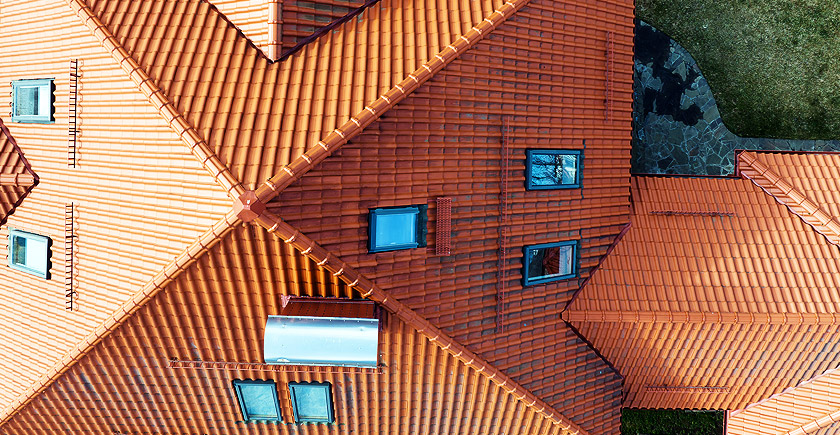
Excellent in tough weather but heavy and more costly to install.
Final Thoughts
Choosing a roof for Canada means weighing cost, durability, climate resistance, and appearance.
Consider your area and use professionals to protect your home for decades.
If you are considering a new roof, review several materials, compare their performance features, and
consult with a local roofing company familiar with Canadian weather conditions.


Leave A Comment